

[ad_1]
The health and productivity of a dairy or beef herd are directly tied to the quality of their nutrition. Properly balanced diets not only ensure optimal milk production, weight gain, and reproductive performance but also reduce the risk of metabolic disorders and other health issues. As the backbone of the agricultural industry, cows require a well-thought-out nutritional strategy to thrive. Here are the best practices for optimizing cow nutrition and maintaining healthy herds.
1. Understand Nutritional Requirements
Cows have specific nutritional needs that vary depending on their age, breed, production stage (e.g., lactation, dry period, or growth), and purpose (dairy or beef). For example:
- Lactating cows require higher energy, protein, and calcium levels to support milk production.
- Dry cows need a balanced diet to prepare for calving and prevent metabolic disorders like ketosis or milk fever.
- Growing calves require diets rich in protein and energy to support muscle and bone development
Consult with a livestock nutritionist to formulate diets tailored to your herd’s specific needs.
2. Prioritize Forage Quality
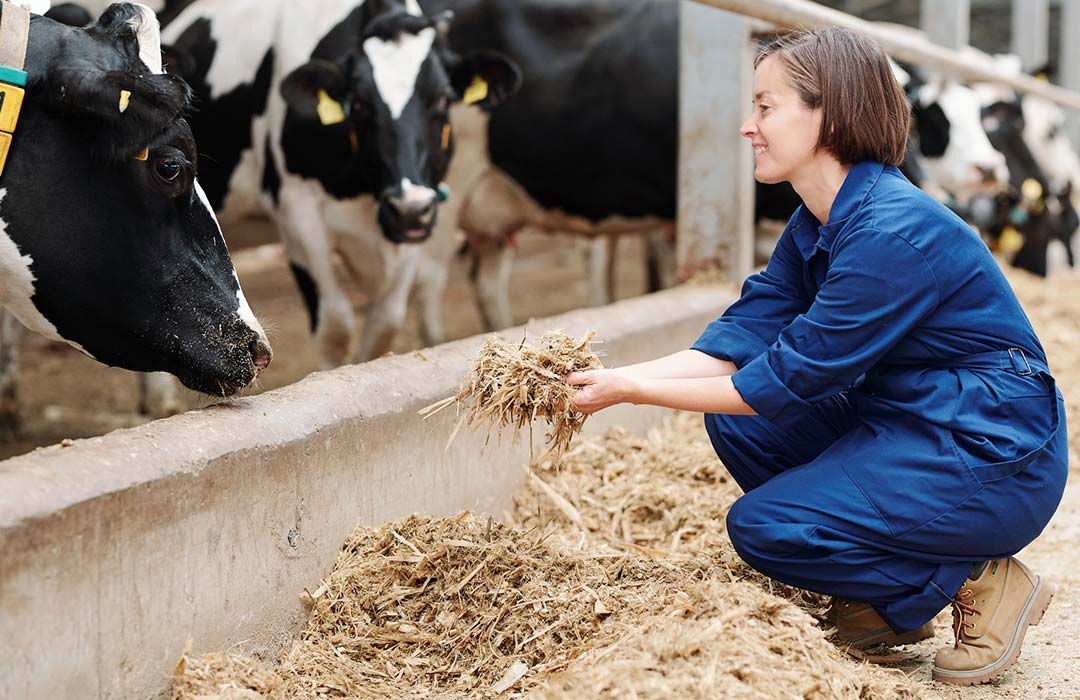
Forage is the foundation of a cow’s diet, providing essential fiber, energy, and nutrients. High-quality forage, such as alfalfa, clover, or well-preserved silage, ensures better digestion and nutrient absorption. Regularly test forage for nutritional content, including protein, fiber, and energy levels, to adjust supplementary feeds accordingly.
3. Balance Energy and Protein
Energy and protein are critical components of a cow’s diet. Energy is primarily derived from carbohydrates in grains and forages, while protein is sourced from legumes, oilseed meals, and other supplements. An imbalance can lead to reduced milk yield, poor weight gain, or health issues. Use feed analysis to ensure the right ratio of energy to protein in the diet.
4. Provide Essential Minerals and Vitamins
Cows require a range of minerals and vitamins for optimal health, including calcium, phosphorus, magnesium, and vitamins A, D, and E. Deficiencies can lead to weak bones, poor immune function, and reproductive problems. Mineral supplements or fortified feeds can help meet these requirements, especially in regions where soil and forage are deficient in certain nutrients.
5. Ensure Adequate Water Intake
Water is often overlooked but is one of the most critical components of cow nutrition. Cows can drink up to 50 gallons of water per day, depending on their size, lactation status, and environmental conditions. Clean, fresh water should always be available to support digestion, milk production, and overall health.
6. Monitor Body Condition Scores (BCS)
Regularly assess your herd’s body condition to ensure they are neither underweight nor overweight. A BCS scale of 1 to 5 (with 1 being emaciated and 5 being obese) helps identify nutritional imbalances. Ideal scores vary by production stage, but most cows should maintain a BCS of 2.5 to 3.5.
7. Prevent Metabolic Disorders
Metabolic disorders like ketosis, milk fever, and acidosis can arise from poor nutrition. To prevent these issues:
- Transition cows gradually to high-energy diets before calving.
- Provide adequate calcium and magnesium to prevent milk fever.
- Avoid sudden changes in feed that can disrupt rumen function and lead to acidosis
8. Optimize Feed Efficiency
Feed efficiency is the measure of how effectively cows convert feed into milk or meat. To improve efficiency:
- Use high-quality, digestible feeds.
- Avoid overfeeding or underfeeding.
- Minimize feed waste by using proper storage and feeding systems
9. Adapt to Seasonal Changes
Nutritional needs can vary with the seasons. For example, cows may require more energy during cold weather to maintain body temperature, while heat stress in summer can reduce feed intake. Adjust diets accordingly and provide shade, ventilation, or cooling systems to mitigate stress.
10. Invest in Technology and Expertise
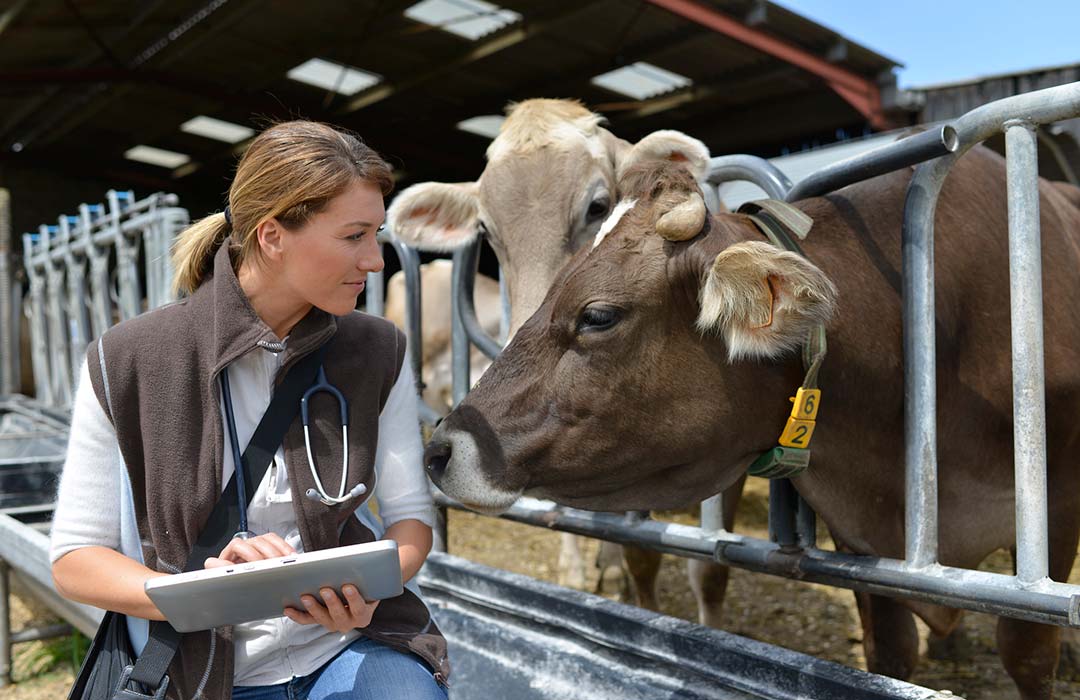
Modern tools like feed analysis software, precision feeding systems, and automated monitoring can help optimize cow nutrition. Additionally, working with a livestock nutritionist ensures that your herd’s diet is scientifically balanced and cost-effective.
Conclusion
Optimizing cow nutrition is a dynamic process that requires attention to detail, regular monitoring, and a commitment to continuous improvement. By understanding the unique needs of your herd and implementing these best practices, you can ensure healthier cows, higher productivity, and a more sustainable operation. Remember, a well-nourished cow is not only more profitable but also a testament to responsible and ethical farming practices.
[ad_2]