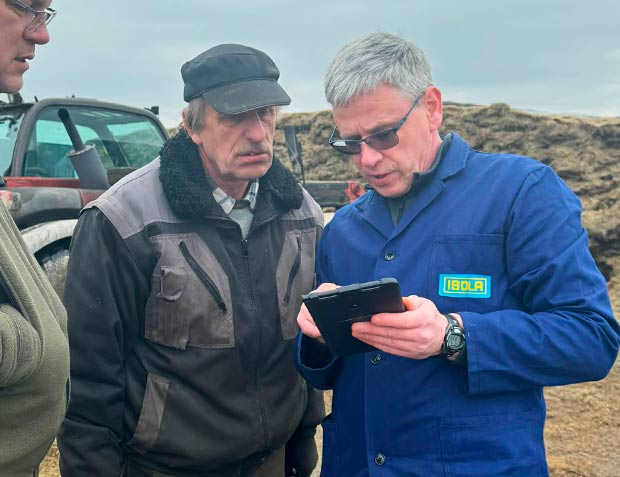


Independent farm audit is the key to success
Comprehensive measures for assessing and correcting feeding processes can provide significant benefits.
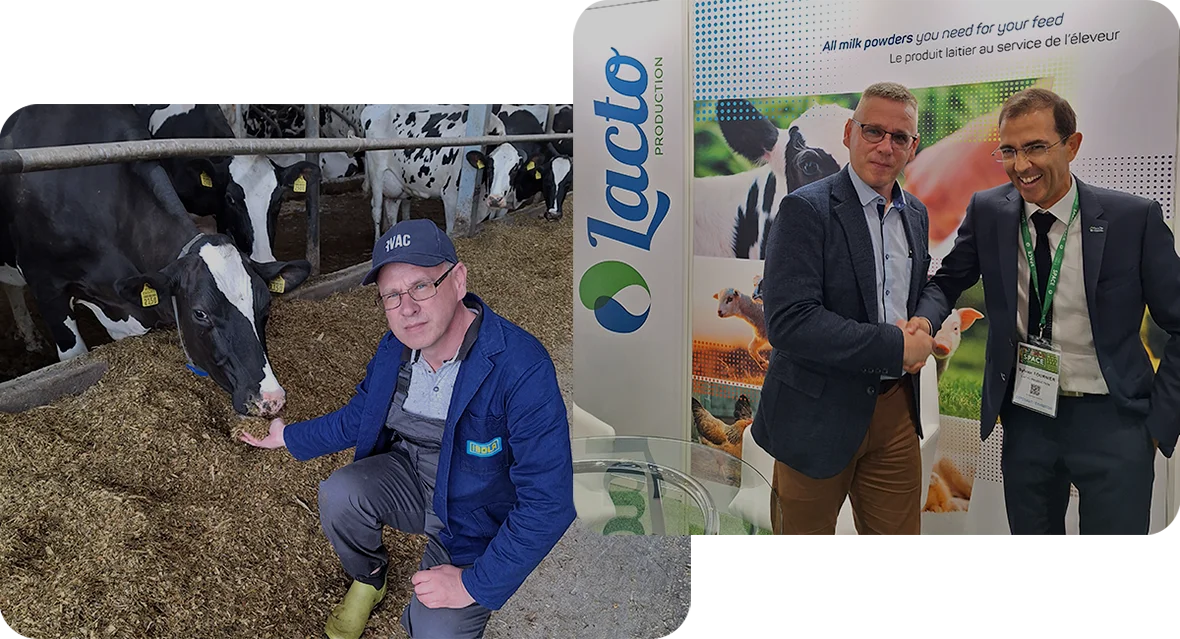
Working in animal husbandry requires deep knowledge and experience.
I have 30 years of experience in developing and improving animal feeding and feed production technologies. I developed and launched unique recipes for feed supplements for farm animals.
Accurate feed analysis is impossible without modern equipment.
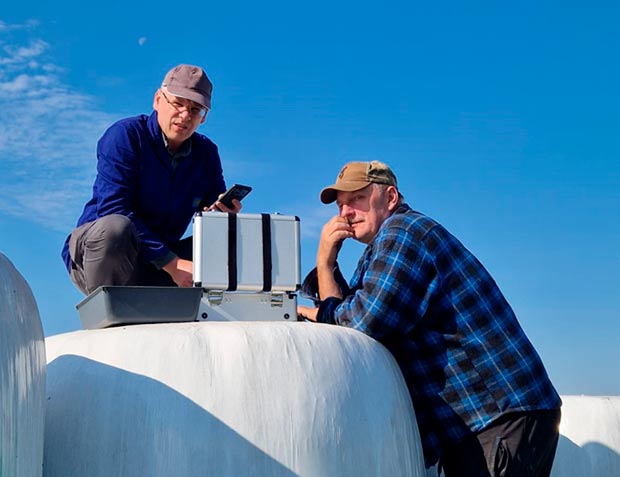
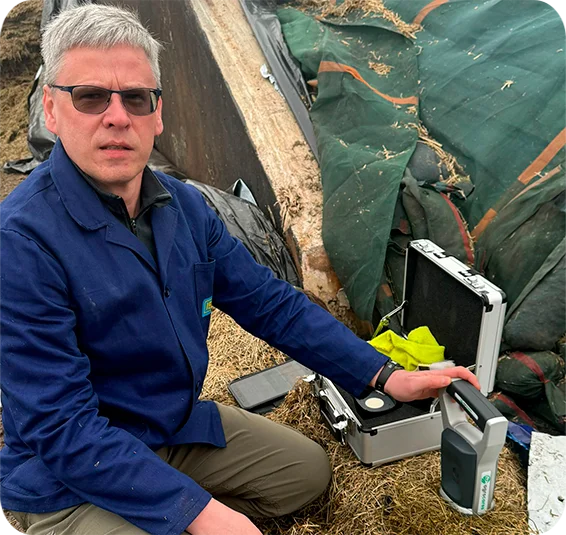
A simple, innovative and reliable way to analyse feed materials - to use AgroCare equipment. It makes it possible to determine the content of organic matter, microelements, the concentration of phosphorus, nitrogen and potassium, determine the pH and much more.
Nutritional adjustment are made using world-proven feed bases.
I use HYBRIMIN® database. It includes 400 feedstocks with a total of 38,000 nutrient values.The database has around 1,500 requirement groups (feed specifications) for a variety of animal categories.
Optimization of animal feed
The procedure involves a visit to your farm and a complete analysis of the animal's nutrition.
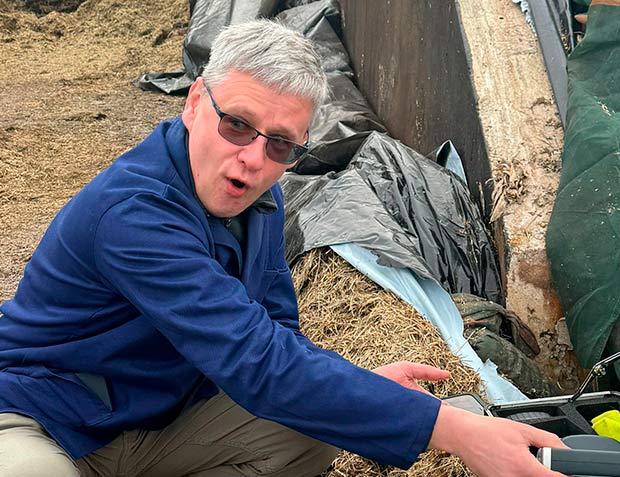
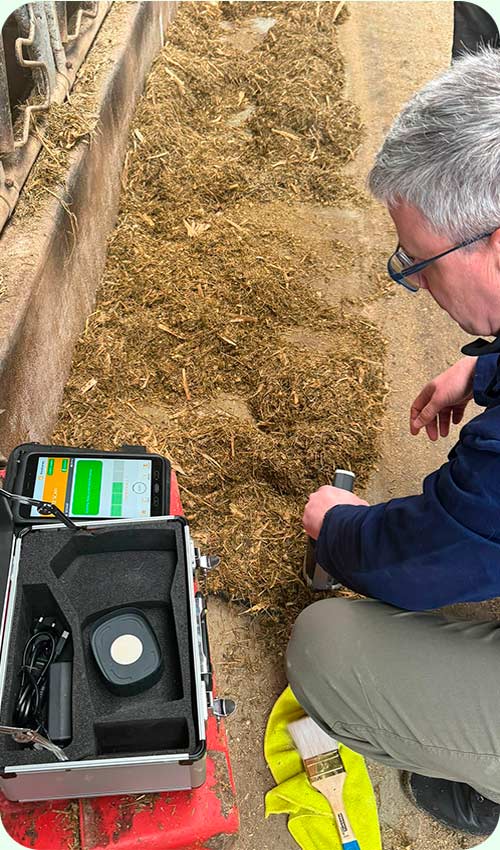
I use a specialized scanner ArgoCare, that allows me to very quickly determine the content of essential nutrients, trace elements, water and acidity of food. After that, a specialized database HYBRIMIN® selects the necessary feed for this particular type of animal, offers a rotation of food, enzyme supplements. I will point out the benefits that you can expect from optimizing nutrition.
In addition, having extensive experience in the use of enzyme additives and some innovative approaches to animal feeding, I will point out certain "subtle" moments in nutrition. I will recommend the best feed manufacturers for your farm.
The choice of food will be based on experience:
feedstocks
nutrient values
feed specifications
Reduction of greenhouse gas methane emissions.
Agriculture is named as one of the biggest sources of methane gas emissions. Estimates vary by source, but according to the Food and Agriculture Organization of the United Nations (FAO), 14.5% of greenhouse gas methane emissions are attributed to farming, with livestock responsible for 9.4%.
Reducing dairy farm methane emissions without increasing milk production costs.
There are feed additives that have a direct effect on the rumen flora. These feed additives suppress methane in the digestive system, but may have no other effect on the animal. Although these additives have the potential to reduce emissions by up to 30%, they may not have a positive effect on milk production. For this reason, the cost of milk produced may increase.
It is very important to choose such feed additives in production that would not only reduce methane gas emissions, but also increase the efficiency of feed for dairy cows. By using such an additive in feed, the cow will receive the same amount of feed, reduce methane emissions, and produce more milk. The result is a reduction in the amount of methane produced per kilogram of milk. This is an indirect effect on the emission of the greenhouse gas methane. Feed additives that have an indirect effect on methane emissions have the advantage that they do not increase the cost of a kilogram of milk produced on the farm.
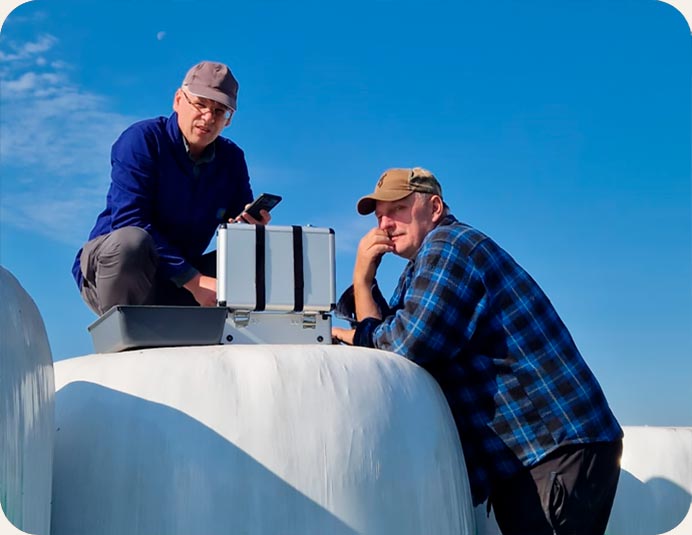
Full independent audit
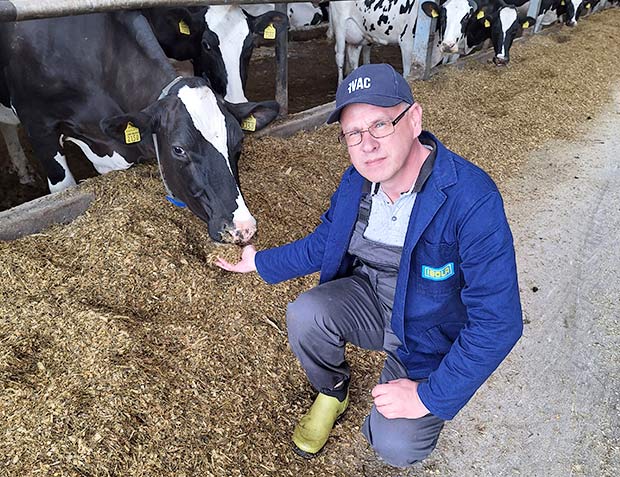
Feeding audit is my visit to an enterprise.
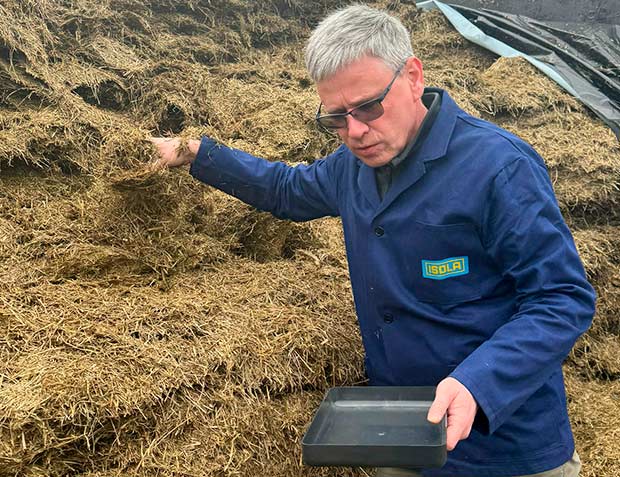
I will monitor all technological processes related to feeding the livestock.
My help include all adjustments the existing ration and I will give all aspects of the recommendations: regarding improving production efficiency, savings, rational nutrition, methane emissions, all feed options are considered in the context of livestock problems and the legislative framework.
I will select a ration that meets a certain feeding standard and satisfies the physiological needs of the animal.
Education and lectures
I consult farmers and agricultural specialists on animal nutrition issues. I conduct specialized presentations on both animal feeding and the technical basis of nutrition analysis.
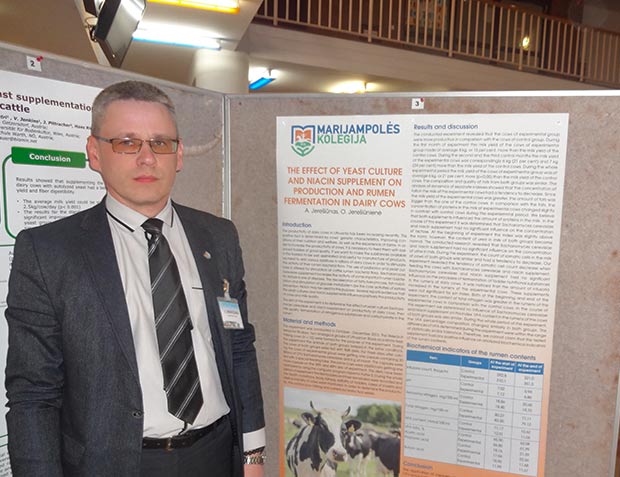
My professional career in animal nutrition began in 1994 at the Lithuanian Institute of Animal Science. In 1998, I defended my doctoral dissertation in Biomedical Sciences at LVA/LGI. Therefore, I have a wealth of experience that I consider necessary to share with farmers who are interested in effective work.
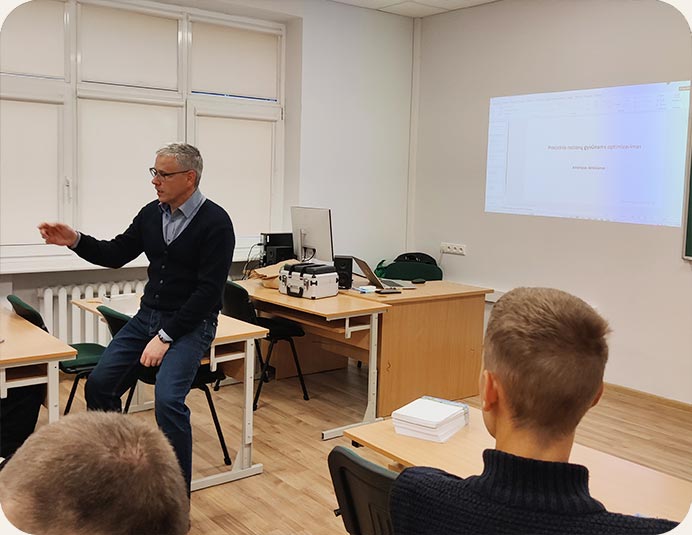
Examples of work with clients